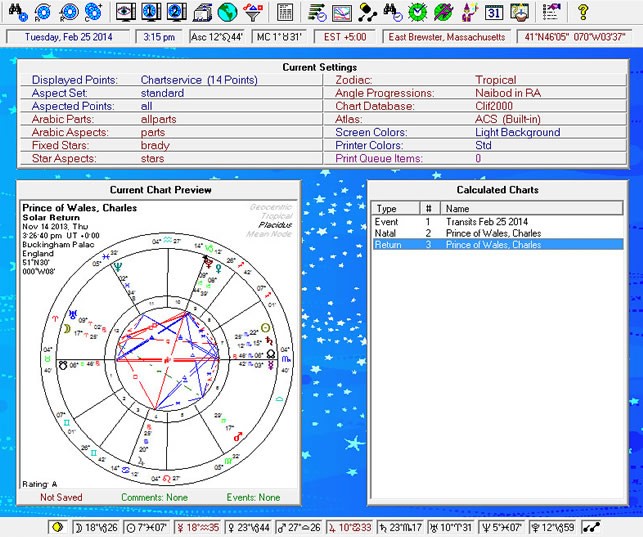
In astrology, moiety refers to the division of the zodiac into two halves or groupings, which affects how planetary aspects are understood and interpreted. It is a classical concept used to evaluate the relative influence and harmony of planets.
1. What Is Moiety?
- Moiety divides the zodiac into two complementary halves, each consisting of six signs.
- This concept helps astrologers determine whether planets are naturally aligned or opposed.
- Planets within the same moiety often form harmonious aspects, while planets in opposite moieties may form challenging aspects.
Key Principle:
- Planets in the same moiety → ease of interaction, natural cooperation.
- Planets in opposite moieties → tension, polarity, or need for balance.
2. Classical Moiety Concept
- Day Signs vs. Night Signs
- Day signs: Aries, Gemini, Leo, Libra, Sagittarius, Aquarius
- Night signs: Taurus, Cancer, Virgo, Scorpio, Capricorn, Pisces
- Planets are analyzed according to whether they belong to the same group (diurnal vs nocturnal).
- This classification is used in traditional astrology to judge the strength and harmony of aspects.
3. Moiety and Planetary Aspects
- Conjunctions within the same moiety → strong cooperation; planets support each other.
- Squares between different moieties → natural tension; learning opportunities.
- Trines within the same moiety → harmonious; flow of energy is smooth and beneficial.
- Oppositions between moieties → challenges; polarity creates growth potential.
4. Practical Use of Moiety in Chart Interpretation
- Evaluate Planetary Compatibility
- Check which moiety planets belong to for assessing natural cooperation.
- Predict Tension vs. Harmony
- Same moiety → easier integration of energies.
- Opposite moiety → potential conflict; requires conscious balance.
- Integrate with Signs, Houses, and Dignities
- Moiety is an additional tool for refining chart analysis.
- Useful in traditional astrology, especially for judging strength, timing, and interaction of planets.
Conclusion
The concept of moiety helps astrologers understand:
- Natural alignment or opposition between planets.
- Ease or tension in planetary aspects.
- Deeper harmonic or polar relationships in the chart.
By combining moiety with aspects, planetary dignity, and house placement, astrologers gain a more nuanced understanding of chart dynamics.