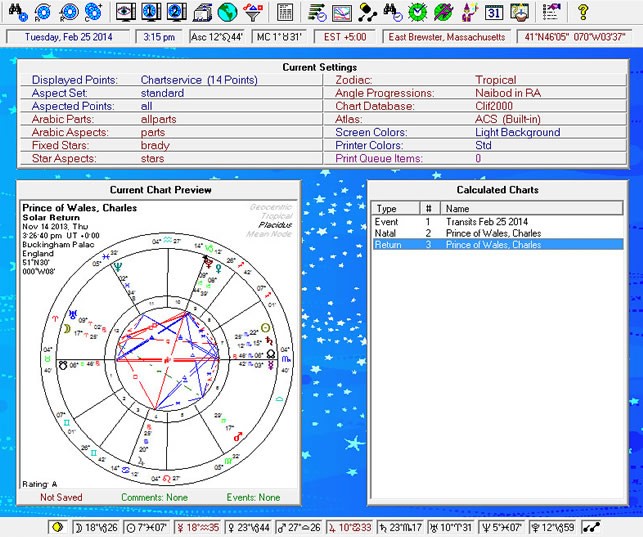
In Mundane Astrology, labor, workforce, and employment trends are analyzed through planetary positions, aspects, and house activations.
- 6th House: labor force, employment systems, worker rights, workplace conditions
- 2nd House: wages, national economy, wealth distribution from labor
- 10th House: government labor policies, unions, organizational leadership
- Saturn, Mars, Mercury, Jupiter, and Venus: key planets influencing labor and workforce trends
By tracking transits, progressions, and eclipses, astrologers can forecast employment fluctuations, labor disputes, workforce productivity, and economic stability.
🔹 Key Planetary Influences
♄ Saturn – Work Discipline, Labor Systems, and Workforce Structure
- Saturn governs labor organization, work regulations, and societal employment structure.
- Positive aspects → stable employment, effective labor policies.
- Challenging aspects → strikes, layoffs, workforce inefficiency.
Example:
- Establishment of labor unions in the 19th century: Saturn aspects reflected organized worker advocacy and structured labor relations.
♂ Mars – Workforce Activity, Strikes, and Labor Conflicts
- Mars governs workforce energy, industrial disputes, strikes, and labor mobilization.
- Positive aspects → productive workforce, proactive employment initiatives.
- Challenging aspects → labor unrest, violent strikes, work stoppages.
Example:
- UK General Strike (1926): Mars aspects reflected widespread industrial action and workforce tension.
☿ Mercury – Employment Communication, Coordination, and Technical Labor
- Mercury governs job communication, management coordination, and skilled technical labor.
- Positive aspects → efficient workflow, improved labor communication.
- Challenging aspects → mismanagement, errors, low productivity.
Example:
- Introduction of office systems and clerical workforce (19th–20th century): Mercury aspects reflected improved labor organization.
♃ Jupiter – Workforce Expansion, Economic Growth, and Employment Opportunities
- Jupiter governs employment growth, worker benefits, and labor market expansion.
- Positive aspects → new job creation, economic growth, fair labor policies.
- Challenging aspects → overemployment, economic imbalance, labor exploitation.
Example:
- Post-WWII economic boom (1945–1960): Jupiter aspects reflected mass employment expansion and workforce development.
♀ Venus – Worker Welfare, Job Satisfaction, and Fair Compensation
- Venus governs employee welfare, workplace satisfaction, and fair compensation.
- Positive aspects → satisfied workforce, harmonious labor relations.
- Challenging aspects → labor dissatisfaction, wage disputes, inequality.
Example:
- Labor reforms and minimum wage introduction (early 20th century): Venus aspects reflected enhanced worker welfare and fairness.
🔹 Houses in Labor, Workforce, and Employment
House | Focus |
|---|---|
| 2nd | Wages, national economy, wealth distribution from labor |
| 6th | Workforce, labor conditions, employment systems, productivity |
| 10th | Government labor policies, unions, organizational leadership |
| 8th | Resource allocation, taxation on labor income, social security |
🔹 Eclipses and Labor Events
- Eclipses activating 2nd, 6th, or 10th houses → strikes, employment reforms, workforce expansion or crises.
- Repeated eclipse cycles → historical patterns in labor unrest, economic productivity, and employment trends.
Example:
- Solar Eclipse 1926 activating 6th house points: coincided with major industrial strikes in Europe, reflecting labor tension and workforce activism.
🔹 Practical Mundane Interpretation
- Track Saturn, Mars, Mercury, Jupiter, and Venus for labor and employment influence.
- Observe 2nd, 6th, and 10th house activations in national charts.
- Combine eclipses and outer planet transits to forecast workforce trends, employment reforms, or labor disputes.
- Analyze historical cycles → anticipate societal productivity, job creation, and workforce stability.
Insight: Mundane astrologers can anticipate labor trends, employment fluctuations, and workforce dynamics using planetary cycles, house activations, and eclipse timing.