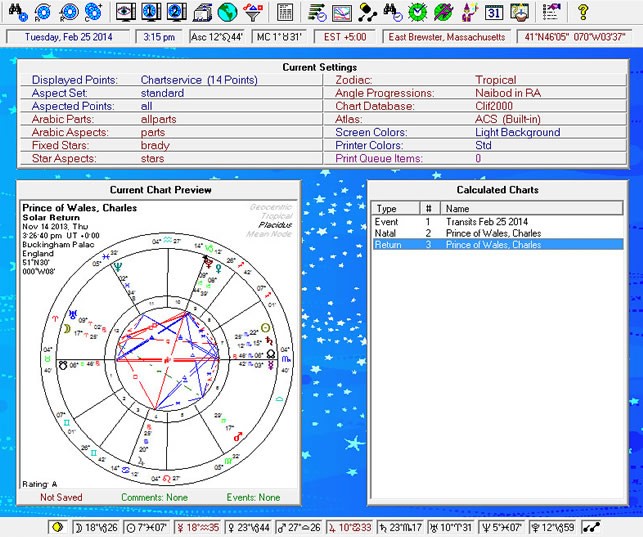
Political revolutions, uprisings, and civil unrest mark periods of societal transformation. In Mundane Astrology, these events often correlate with Pluto, Uranus, Mars, and Saturn cycles, highlighting power struggles, social tension, and structural change. By analyzing the 1st, 4th, 7th, 10th, and 8th houses, astrologers can forecast political upheaval, rebellion, and government responses.
Short Description:
Mundane astrology predicts revolutions, civil unrest, and societal transformations through planetary cycles.
🏛️ 1. Key Astrological Houses
- 1st House: Public sentiment, social energy, and collective identity.
- 4th House: Homeland stability, regional tensions, and grassroots movements.
- 7th House: Opposition groups, alliances, and foreign intervention.
- 8th House: Power struggles, coups, and shared resources under conflict.
- 10th House: Government authority, leadership, and institutional response.
Example:
When Pluto transits the 1st house, societal transformation and upheaval are often imminent.
Short Description:
Houses 1, 4, 7, 8, and 10 reveal public unrest, opposition forces, and political authority.
🪐2. Planetary Influences on Political Unrest
- Pluto: Radical transformation, revolution, and power shifts.
- Uranus: Sudden uprisings, rebellion, and societal shocks.
- Mars: Conflict, protests, and violent clashes.
- Saturn: Structural tension, repression, or delayed reforms.
- Jupiter: Popular movements, mass mobilization, and ideological expansion.
- Neptune: Ideological deception, propaganda, or visionary revolutions.
Example:
The French Revolution (1789) occurred under Pluto in Capricorn square Uranus in Aries, symbolizing radical societal transformation and sudden rebellion.
Short Description:
Pluto transforms power, Uranus sparks rebellion, Mars drives conflict, Saturn enforces structure.
📊 3. Cycles of Revolution and Social Change
- Pluto–Uranus aspects (~100–150 years): Major revolutionary periods in history.
- Saturn transits: Tension between authority and the populace; delayed reforms or oppressive regimes.
- Jupiter transits: Expansion of ideologies, mass mobilization, and public movements.
- Eclipses near 1st/10th/7th houses: Catalysts for sudden uprisings or political crises.
Example:
The Arab Spring (2010–2012) aligned with Uranus in Pisces conjunct Neptune, indicating mass ideological movements and revolutionary energy.
Short Description:
Pluto–Uranus aspects and Saturn tensions mark revolutionary cycles and societal unrest.
⚖️ 4. Government and Institutional Response
- 10th House: Authority’s reaction, policy enforcement, and leadership stability.
- Saturn–Pluto aspects: Repression, martial law, or systemic restructuring.
- Jupiter influences: Political expansion, negotiation, or reform to appease the populace.
Example:
The Fall of the Berlin Wall (1989) coincided with Pluto in Scorpio sextile Uranus in Capricorn, marking institutional collapse and political transformation.
Short Description:
10th House, Saturn, and Pluto reveal how governments respond to uprisings and revolutions.
✊ 5. Popular Movements and Civil Mobilization
- Jupiter transits: Encourage large-scale demonstrations, ideological adoption, and social campaigns.
- Moon transits: Reflect public mood swings, protests, or unrest intensity.
- Uranus aspects: Trigger sudden and unexpected mass mobilization.
Example:
The Women’s Suffrage Movement (early 20th c.) gained momentum under Jupiter transits favorable to the 1st and 7th houses, reflecting expansion of public awareness and rights movements.
Short Description:
Jupiter, Uranus, and Moon indicate mass movements, ideological expansion, and civil mobilization.
📈 6. Predictive Techniques for Political Astrology
- Track Pluto and Uranus transits to 1st/4th/7th/10th houses for revolutionary potential.
- Saturn aspects reveal repression, delays, or authoritarian enforcement.
- Jupiter aspects indicate public mobilization and ideology spread.
- Eclipses can trigger sudden crises or regime changes.
Example:
The Russian Revolution (1917) occurred during Pluto in Cancer square Uranus in Aries, signaling transformation and sudden societal upheaval.
Short Description:
Predictive techniques monitor Pluto, Uranus, Saturn, Jupiter, and eclipses for political unrest and revolutions.
🌍 7. Global Revolutions and Historical Patterns
- Pluto–Uranus cycles: French Revolution, American Revolution, Industrial Revolution, Arab Spring.
- Saturn–Pluto periods: Government crackdown, authoritarian rise, and delayed social reforms.
- Jupiter transits: Popular ideologies, rights movements, and mass political mobilization.
Example:
The Civil Rights Movement (1960s USA) corresponded with Jupiter in Taurus sextile Uranus in Leo, reflecting public mobilization and social reform energy.
Short Description:
Planetary cycles reveal patterns of historical revolutions, uprisings, and social transformations.
📜 Conclusion
Mundane astrology of political revolutions shows that cosmic cycles shape societal upheaval, rebellion, and government responses. Understanding planetary transits and house placements allows anticipation of uprisings, reforms, and transformative periods in political history.