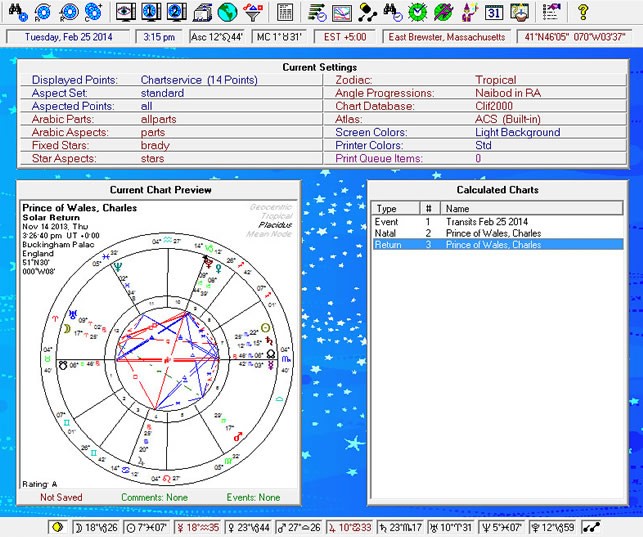
In Mundane Astrology, diplomacy and international relations are analyzed through planetary positions, aspects, and house activations.
- 7th House: alliances, treaties, diplomatic relationships, open opposition
- 10th House: global leadership, international policy, governmental influence
- Jupiter, Saturn, Mars, and Venus: key planets influencing diplomatic outcomes
By tracking planetary transits, progressions, and eclipses, astrologers can forecast alliances, treaties, conflicts, or shifts in international relations.
🔹 Key Planetary Influences
♃ Jupiter – Cooperation and International Agreements
- Governs global diplomacy, treaties, trade agreements, and ideological cooperation.
- Positive aspects → successful negotiations, peace treaties, alliances.
- Challenging aspects → disputes, sanctions, or international tension.
Example:
- Paris Climate Agreement 2015: Jupiter aspects supported international cooperation and consensus on environmental policy.
♄ Saturn – Restriction, Responsibility, and Diplomatic Challenges
- Saturn transits → careful negotiation, delays in treaty enforcement, and structural responsibility in international policy.
- Challenging aspects → tension, stalemate, or sanctions.
Example:
- Cuban Missile Crisis 1962: Saturn aspects highlighted international tension and cautious diplomacy.
♂ Mars – Conflict, Aggression, and Military Tension
- Mars transits → diplomatic crises, potential conflict, or escalation in military tensions.
- Combined with Saturn or Pluto → high risk of international disputes.
Example:
- Gulf War 1990–1991: Mars-Saturn aspects in national charts coincided with military conflict and diplomatic crisis.
♀ Venus – Diplomatic Harmony and Alliance Building
- Venus governs amicable negotiations, trade alliances, and cultural diplomacy.
- Retrograde or challenging aspects → breakdown of treaties or failed negotiations.
Example:
- European Union formation 1993: Venus aspects supported diplomatic collaboration and treaty enactment.
🔹 Houses in Diplomacy and International Relations
House | Diplomatic Focus |
|---|---|
| 7th | Alliances, open opposition, treaties, international partnerships |
| 10th | Global leadership, foreign policy, national authority in diplomacy |
| 6th | Bureaucratic execution of foreign agreements, civil service |
| 8th | Shared resources, conflict resolution, crisis diplomacy |