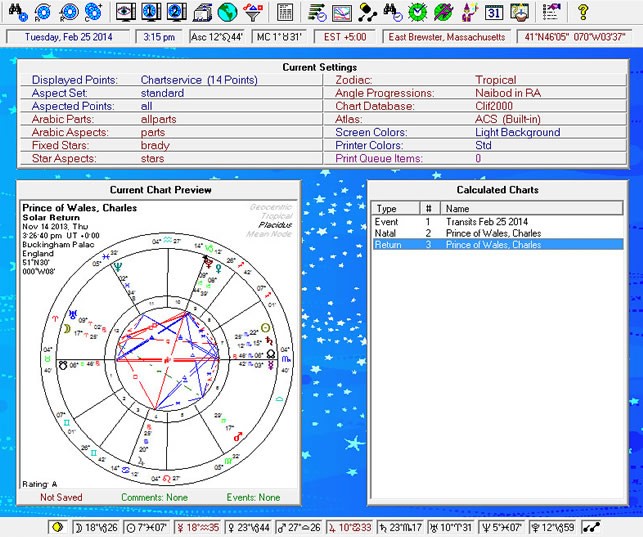
In Mundane Astrology, global trade, commerce, and industry are analyzed through planetary positions, aspects, and house activations.
- 2nd House: national economy, resources, local markets
- 7th House: international trade agreements, global partnerships, cross-border commerce
- 8th House: shared resources, financial dependencies, multinational corporations
- 10th House: governmental economic policy, industrial regulation, global market strategy
- Jupiter, Mercury, Venus, Saturn, and Mars: key planets influencing the global economy
By tracking transits, progressions, and eclipses, astrologers can forecast economic growth, recessions, market fluctuations, and industrial transformations.
🔹 Key Planetary Influences
♃ Jupiter – Global Economic Expansion
- Jupiter governs international trade, investment, and economic growth.
- Positive aspects → market booms, prosperous trade agreements.
- Challenging aspects → economic bubbles, overexpansion, or market imbalance.
Example:
- Global economic boom 1990s: Jupiter aspects supported growth and international market expansion.
☿ Mercury – Trade Negotiation, Communication, and Logistics
- Mercury governs business communication, contracts, trade logistics, and commerce intelligence.
- Retrograde periods → negotiation delays, miscommunication, supply chain disruptions.
Example:
- NAFTA agreement 1992–1994: Mercury transits reflected complex communication and negotiation between nations.
♀ Venus – Economic Partnerships and Market Attractiveness
- Venus governs financial attractiveness, economic partnerships, and international collaboration.
- Positive aspects → smooth trade, cooperative industrial ventures.
- Challenging aspects → market disputes, failed agreements, or economic tension.
Example:
- European Union trade expansion (2000s): Venus aspects promoted mutual trust and partnership in commerce.
♄ Saturn – Regulation, Industrial Strategy, and Economic Discipline
- Saturn governs industrial regulation, structured economic policies, and long-term market planning.
- Challenging aspects → bureaucratic delays, protectionism, industrial stagnation.
Example:
- US steel tariff policies 2002: Saturn aspects reflected regulatory intervention and industrial policy enforcement.
♂ Mars – Industrial Competition and Market Conflicts
- Mars triggers commercial rivalry, industrial disputes, and aggressive market strategies.
- Combined with Saturn → structured negotiations or regulatory conflict.
Example:
- US–China trade tensions 2018–2019: Mars aspects indicated industrial competition and tariff disputes.
🔹 Houses in Global Economy
House | Focus |
|---|---|
| 2nd | National resources, local economy, domestic market stability |
| 7th | International trade, cross-border partnerships, global commerce |
| 8th | Shared financial resources, multinational corporations, debt agreements |
| 10th | Government economic policy, industrial strategy, regulation of markets |
🔹 Eclipses and Global Economic Events
- Eclipses activating 2nd, 7th, or 10th houses → market booms, international trade deals, or industrial shifts.
- Repeated eclipse cycles → historical economic patterns and cyclical market behavior.
Example:
- Solar Eclipse 1999 activating 7th house points → key global trade agreements and industrial growth initiatives.
🔹 Practical Mundane Interpretation
- Track Jupiter, Mercury, Venus, Saturn, and Mars for global economic influence.
- Observe 2nd, 7th, 8th, and 10th house activations in national and multinational charts.
- Combine eclipses and outer planet transits to forecast trade growth, industrial expansion, or market tensions.
- Analyze historical cycles → anticipate recessions, booms, and long-term industrial development.
Insight: Mundane astrologers can anticipate global economic trends, industrial growth, and trade dynamics using planetary cycles, house activations, and eclipse timing.