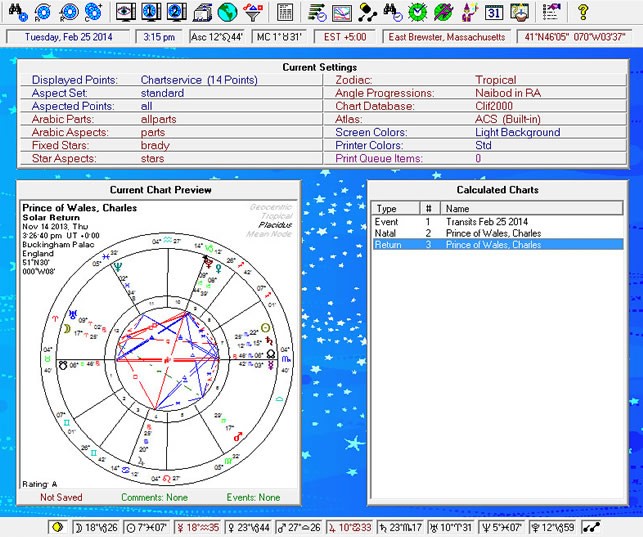
In Mundane Astrology, environmental change, climate, and ecology are analyzed through planetary positions, aspects, and house activations.
- 4th House: natural landscapes, domestic ecology, soil health
- 6th House: environmental management, public health impact, pollution
- 8th House: natural disasters, resource depletion, ecological crises
- Uranus, Neptune, Saturn, Jupiter, and Moon: key planets influencing environmental trends
By tracking transits, progressions, and eclipses, astrologers can forecast climate fluctuations, natural disasters, ecological shifts, and human environmental impact.
🔹 Key Planetary Influences
♅ Uranus – Sudden Environmental Changes and Climate Shifts
- Uranus governs unexpected natural events, climate anomalies, and rapid ecological changes.
- Positive aspects → innovative environmental solutions, climate adaptation.
- Challenging aspects → storms, earthquakes, unexpected ecological disruption.
Example:
- 2011 Japanese earthquake and tsunami: Uranus aspects reflected sudden natural disaster impact.
♆ Neptune – Pollution, Water Systems, and Ecological Awareness
- Neptune governs water bodies, ocean health, pollution, and visionary ecological projects.
- Positive aspects → clean water initiatives, ecological preservation.
- Challenging aspects → floods, water contamination, environmental mismanagement.
Example:
- Oil spills and ocean pollution events: Neptune aspects reflected ecological challenges affecting water systems.
♄ Saturn – Environmental Regulations, Infrastructure, and Sustainability
- Saturn governs environmental policies, infrastructure planning, and long-term ecological management.
- Positive aspects → effective conservation, sustainable resource use.
- Challenging aspects → habitat destruction, environmental neglect.
Example:
- Establishment of National Parks (19th–20th century): Saturn aspects reflected structured ecological conservation.
♃ Jupiter – Climate Patterns, Environmental Expansion, and Awareness
- Jupiter governs climate awareness, global environmental policies, and ecosystem growth.
- Positive aspects → ecological education, forestation projects, climate adaptation.
- Challenging aspects → overexploitation, resource mismanagement.
Example:
- Global reforestation initiatives: Jupiter aspects reflected environmental expansion and positive ecological influence.
☽ Moon – Seasonal Climate, Weather Cycles, and Human Ecological Impact
- The Moon governs seasonal variations, rainfall patterns, agricultural climate, and collective ecological behavior.
- Positive aspects → stable weather patterns, harmonious human-nature interaction.
- Challenging aspects → droughts, floods, or extreme seasonal variability.
Example:
- European famine events (1315–1317): Moon aspects reflected seasonal climate instability affecting agriculture and human survival.
🔹 Houses in Environmental Change, Climate, and Ecology
House | Focus |
|---|---|
| 4th | Natural landscapes, domestic ecology, soil and vegetation health |
| 6th | Pollution, public health impact, environmental management |
| 8th | Natural disasters, resource depletion, ecological crises |
| 2nd | Resource allocation, sustainable economic use of natural resources |
🔹 Eclipses and Environmental Events
- Eclipses activating 4th, 6th, or 8th houses → natural disasters, climate anomalies, ecological initiatives.
- Repeated eclipse cycles → historical patterns in environmental shifts and climate trends.
Example:
- Solar Eclipse 1883 activating 6th house points: coincided with the eruption of Krakatoa, reflecting massive environmental disruption.
🔹 Practical Mundane Interpretation
- Track Uranus, Neptune, Saturn, Jupiter, and Moon for environmental and ecological influence.
- Observe 4th, 6th, and 8th house activations in national or world charts.
- Combine eclipses and outer planet transits to forecast climate events, natural disasters, or ecological shifts.
- Analyze historical cycles → anticipate climate fluctuations, human environmental impact, and ecological trends.
Insight: Mundane astrologers can anticipate climate change, natural disasters, and ecological shifts using planetary cycles, house activations, and eclipse timing.