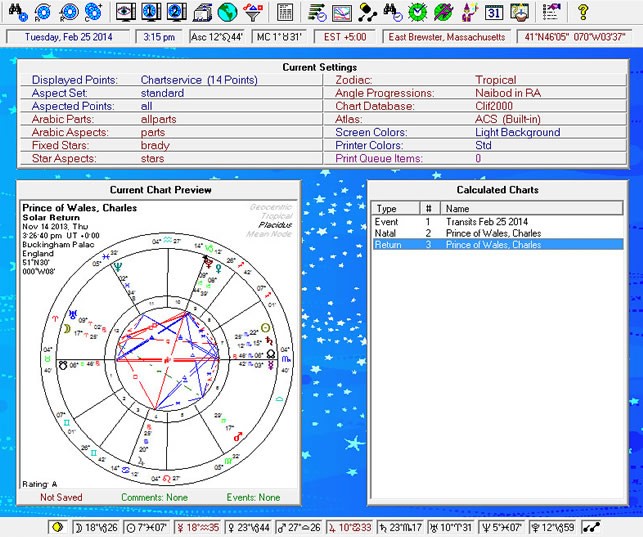
In Mundane Astrology, religion, spirituality, and belief systems are analyzed through planetary positions, aspects, and house activations.
- 9th House: religious institutions, spiritual education, philosophical systems
- 12th House: mysticism, secret societies, spiritual crises, hidden beliefs
- 10th House: leadership in religious institutions, organized religion, societal influence
- Jupiter, Neptune, Saturn, Sun, and Moon: key planets influencing faith and spiritual movements
By tracking transits, progressions, and eclipses, astrologers can forecast religious reform, spiritual movements, and shifts in societal belief systems.
🔹 Key Planetary Influences
♃ Jupiter – Religion, Philosophy, and Moral Ideals
- Jupiter governs faith, religious expansion, philosophical thought, and ethical guidance.
- Positive aspects → religious growth, spiritual enlightenment, societal ethical standards.
- Challenging aspects → religious conflict, dogma, or ideological clashes.
Example:
- Protestant Reformation 16th century: Jupiter aspects corresponded with expansion and reform of religious systems.
♆ Neptune – Mysticism, Spirituality, and Collective Ideals
- Neptune governs mystical experiences, spiritual movements, collective faith, and esoteric traditions.
- Positive aspects → visionary spiritual movements, artistic religious expression.
- Challenging aspects → fanaticism, illusions, mass delusion.
Example:
- Rise of 19th-century Spiritualism: Neptune aspects reflected mystical exploration and societal fascination with the unseen.
♄ Saturn – Institutional Religion and Religious Discipline
- Saturn governs structured religious institutions, orthodoxy, and long-term spiritual authority.
- Challenging aspects → rigid dogma, religious oppression, or institutional stagnation.
Example:
- Council of Trent (1545–1563): Saturn aspects aligned with restructuring Catholic Church governance and enforcement of doctrine.
☉ Sun – Religious Leadership and Authority
- The Sun governs leaders of religious institutions, spiritual guidance, and public influence of clergy.
- Positive aspects → inspired leadership, spiritual recognition.
- Challenging aspects → authoritarian clergy or corruption.
Example:
- Papal leadership during Vatican II (1962–1965): Sun aspects reflected transformative religious authority.
☽ Moon – Collective Faith and Popular Belief
- The Moon governs societal emotional connection to religion, communal rituals, and public spirituality.
- Positive aspects → mass religious harmony, societal engagement.
- Challenging aspects → social unrest, religious dissatisfaction.
Example:
- Taiping Rebellion (1850–1864, China): Moon aspects reflected mass social involvement in religious movements.
🔹 Houses in Religion, Spirituality, and Belief Systems
House | Focus |
|---|---|
| 9th | Organized religion, philosophical thought, higher spiritual education |
| 12th | Mysticism, secret faith, spiritual crises, hidden belief systems |
| 10th | Religious leadership, societal influence of clergy, institutional authority |
| 8th | Transformational spiritual experiences, shared beliefs, death and afterlife rituals |